
Wedding fashion holds a special place in every culture, and among the most loved outfits are wedding suits for girls. These outfits combine tradition, elegance, and creativity.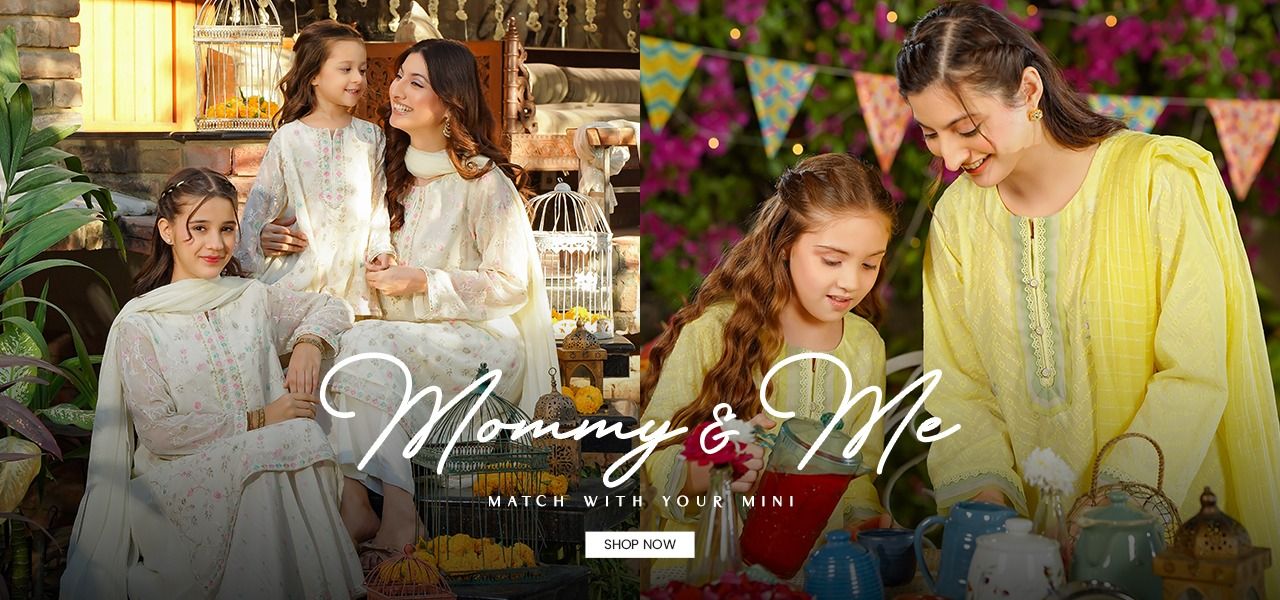
Embroidered designs add charm and make each piece unique. From delicate threadwork to heavy embellishments, these suits reflect both craftsmanship and cultural heritage.
Understanding how embroidered wedding suits for girls are made helps you appreciate the effort behind each stitch. This guide explains the complete process in simple steps. Whether you are curious about fashion or planning a wedding outfit, this detailed explanation will help you.
Importance of Embroidery in Wedding Suits
Embroidery is not just decoration. It tells a story. It represents tradition, family values, and artistic expression. In many cultures, wedding suits for girls are designed with specific patterns that symbolize joy, prosperity, and beauty.
Hand embroidery, machine embroidery, and mixed techniques are used to create stunning designs. Each technique adds a different texture and look. This is why embroidered wedding suits for girls stand out compared to simple outfits.
Types of Fabrics Used
Natural Fabrics
The base of any embroidered outfit is the fabric. Designers often choose natural materials like cotton, silk, and chiffon. Silk is especially popular for wedding suits for girls because it has a rich shine and smooth texture.
Synthetic Fabrics
Georgette, net, and organza are also widely used. These fabrics are lightweight and allow embroidery to stand out. For heavily embroidered wedding suits for girls, net fabric is often layered to create a dreamy effect.
Fabric Selection Factors
Fabric is chosen based on comfort, weather, and design. For example, heavier fabrics are used for winter weddings, while lighter ones are ideal for summer.
Designing the Suit
Sketching the Design
The process begins with a sketch. Designers draw patterns based on current trends and traditional motifs. These sketches help visualize how the final embroidered wedding suits for girls will look.
Choosing Patterns
Popular embroidery patterns include floral designs, paisleys, geometric shapes, and cultural symbols. These patterns are selected carefully to match the theme of the wedding.
Color Selection
Colors play a key role. Red, gold, maroon, and pastel shades are common choices. The combination of colors enhances the beauty of wedding suits for girls.
Preparing the Fabric
Washing and Ironing
Before embroidery begins, the fabric is cleaned and ironed. This ensures a smooth surface for stitching.
Stretching the Fabric
The fabric is stretched tightly on a frame. This prevents wrinkles and helps maintain accuracy during embroidery. Proper preparation is essential for high-quality embroidered wedding suits for girls.
Marking the Design
Transferring the Pattern
The design is transferred onto the fabric using tracing paper or chalk. This step acts as a guide for embroidery.
Accuracy Matters
Precise marking ensures that the final embroidery looks neat and symmetrical. This is especially important for detailed wedding suits for girls.
Embroidery Techniques
Hand Embroidery
Hand embroidery is the most traditional method. Skilled artisans use needles and threads to create intricate designs. This method takes time but produces unique results.
Machine Embroidery
Modern technology allows faster production. Machines can replicate complex patterns with great precision. Many wedding suits for girls use a combination of hand and machine embroidery.
Mixed Techniques
Designers often combine both methods. Handwork adds detail, while machines handle repetitive patterns. This creates balanced and beautiful embroidered wedding suits for girls.
Types of Embroidery Styles
Zari Work
Zari involves metallic threads, usually gold or silver. It adds a royal touch to wedding suits for girls.
Resham Work
Resham uses silk threads to create colorful designs. It is soft and elegant.
Mirror Work
Small mirrors are stitched into the fabric. This style reflects light and adds sparkle.
Bead and Sequin Work
Beads and sequins are used to enhance the design. They give a festive and glamorous look to wedding suits for girls.
Stitching the Suit
Cutting the Fabric
After embroidery is complete, the fabric is cut according to the design. Precision is important to avoid damaging the embroidery.
Sewing the Pieces
The pieces are stitched together to form the final outfit. This includes the shirt, trousers, and dupatta. Proper stitching ensures that wedding suits for girls fit perfectly.
Adding Linings
Lining is added for comfort and durability. It also helps protect the embroidery from wear and tear.
Finishing Touches
Quality Check
Each suit is carefully checked for defects. Loose threads and uneven stitches are fixed.
Ironing and Packaging
The final product is ironed and packed. This gives a polished look to embroidered wedding suits for girls.
Customization Options
Personalized Designs
Many people prefer customized wedding suits for girls. This allows them to choose colors, patterns, and embroidery styles.
Size Adjustments
Custom tailoring ensures a perfect fit. This is important for comfort and appearance.
Unique Embellishments
Additional elements like lace, tassels, and stones can be added to make the outfit unique.
Time and Effort Required
Creating embroidered wedding suits for girls is a time-consuming process. Hand embroidery can take weeks or even months. Machine work is faster but still requires careful planning.
The effort involved makes these outfits special. Each piece reflects dedication and skill.
Cost Factors
Fabric Quality
High-quality fabrics increase the cost. Silk and designer materials are more expensive.
Embroidery Complexity
Detailed designs require more time and skill, which raises the price of wedding suits for girls.
Labor Charges
Hand embroidery involves skilled artisans, making it more costly than machine work.
Trends in Wedding Suits
Modern Styles
Contemporary designs include pastel colors, minimal embroidery, and fusion styles.
Traditional Designs
Classic patterns remain popular. Heavy embroidery and rich colors are still preferred for wedding suits for girls.
Sustainable Fashion
Eco-friendly fabrics and ethical production methods are becoming more common.
Care and Maintenance
Cleaning
Dry cleaning is recommended for embroidered outfits. This helps maintain the quality of wedding suits for girls.
Storage
Store in a cool, dry place. Use garment covers to protect from dust.
Handling
Avoid pulling on embroidered areas. Gentle handling ensures longevity.
Cultural Significance
Wedding suits are more than just clothing. They represent traditions and emotions. In many cultures, embroidered wedding suits for girls are passed down through generations.
These outfits hold sentimental value. They remind people of special moments and celebrations.
Challenges in Making Embroidered Suits
Time Constraints
Creating detailed designs takes time. Meeting deadlines can be challenging.
Skilled Labor
Finding skilled artisans is becoming difficult. This affects the production of wedding suits for girls.
Cost Management
Balancing quality and affordability is a major challenge for designers.
Future of Embroidered Wedding Suits
Technology is changing the fashion industry. Digital embroidery and advanced machines are making production faster. However, hand embroidery remains valuable for its uniqueness.
The demand for wedding suits for girls continues to grow. Designers are blending tradition with modern trends to create new styles.
Conclusion
Embroidered wedding suits for girls are a beautiful blend of art, tradition, and craftsmanship. From selecting the fabric to adding the final touches, every step requires care and skill. These outfits are not just garments but expressions of culture and creativity.
Understanding how wedding suits for girls are made helps you appreciate their value. Whether handcrafted or machine-made, each suit tells a story. The effort, time, and artistry involved make them truly special.
As fashion evolves, embroidered wedding suits for girls will continue to hold their charm. They connect the past with the present and bring elegance to every celebration. Choosing the right suit means choosing a piece of art that reflects your personality and tradition.